Research-Grade Peptide Compounds
Peakchain
Peptides are short chains of amino acids that act as biological signaling molecules, interacting with specific receptors, enzymes, and cellular pathways to regulate physiological processes. This platform supports researchers studying these mechanisms with access to research-grade compounds and peer-reviewed educational resources.
For research purposes only
The Science Behind It
Built Bond
by Bond
A peptide is a short chain of amino acids — a precise molecular sequence carrying targeted biological instruction. Every compound we supply is synthesized to that exact standard: the right sequence, the right purity, the right result.
All compounds are for in vitro research use only.
Science & Mission
Research integrity and documentation quality are the same obligation.
Peak Chain Peptides was built on a single conviction: access to high-purity research compounds must be matched by equally rigorous scientific education. Researchers studying performance, recovery, and longevity pathways cannot design meaningful experiments without a thorough understanding of the mechanisms they are investigating.
Every compound on this platform is presented strictly within a research framework — emphasizing published mechanisms of action, receptor-level and cellular pathway data, and peer-reviewed literature. Before exploring the catalog, we encourage all researchers to engage with the educational material for each compound.
This is an education-first research platform.
Not a supplement brand. Not a treatment model. Not a dosing resource. All compounds are for qualified in vitro research use only.
Documentation Standards
What Every Compound Includes
- Published mechanism of action documentation for every compound
- Batch-specific Certificate of Analysis with every shipment
- HPLC purity verification — ≥98% minimum standard
- Mass spectrometry identity confirmation on every lot
- Endotoxin testing on every production batch
- Peer-reviewed literature summaries maintained for each compound
Research Focus
Areas We Support
Recovery & Tissue Repair
Growth hormone signaling, IGF-1 axis, collagen synthesis, and cellular regeneration pathways.
Metabolic Health Research
Insulin signaling, lipid metabolism, energy utilization, and gut-brain metabolic axis modulation.
Cognitive & Neurological Support
Neuroplasticity, BDNF expression, neuroprotection, and neurotransmitter regulation pathways.
Longevity & Cellular Resilience
Mitochondrial efficiency, oxidative stress reduction, telomerase activity, and cellular aging mechanisms.
“The lot number on every vial corresponds directly to the documented laboratory testing for that specific batch — not a general template produced on request. Documentation accuracy is not a courtesy. It is a research requirement.”
Peak Chain Peptides — Quality Standards
Peptide Biology
What Are Peptides & What Do They Do?
Peptides are short chains of amino acids that act as biological signaling molecules within the human body. While proteins are long, complex structures, peptides are smaller, more targeted fragments that interact with specific receptors, enzymes, and cellular pathways to regulate physiological processes. At their core, peptides function as messengers — instructing cells on how to behave, respond, repair, and adapt — and are involved in nearly every biological system, including immune regulation, inflammation control, tissue repair, metabolic signaling, and neurological function.
Mechanism of Action
How Peptides Work
Peptides exert their effects through highly specific receptor binding. When a peptide binds to its corresponding receptor on a cell, it triggers a cascade of intracellular signaling pathways that can:
- Activate or suppress gene expression
- Regulate cytokine and immune responses
- Influence cellular growth, differentiation, or apoptosis
- Modulate metabolic and mitochondrial activity
- Promote tissue regeneration and repair processes
Role in Human Biology
Endogenous Peptide Systems
Endogenous peptides — those produced naturally by the body — play critical roles in maintaining homeostasis across five primary biological systems. Disruptions or deficiencies in peptide signaling have been associated in research with various disease states.
Immune System Modulation
Regulating inflammatory responses and immune cell signaling.
Neurological Function
Influencing neurotransmitter activity, neuroprotection, and cognitive signaling pathways.
Metabolic Regulation
Controlling insulin signaling, energy utilization, and mitochondrial efficiency.
Tissue Repair & Regeneration
Supporting angiogenesis, collagen synthesis, and cellular migration.
Endocrine Signaling
Coordinating hormone release and feedback loops.
Research Applications
Why Researchers Study Peptides
Their relatively small size and defined structure allow for controlled study of how targeted signaling impacts complex biological systems. Within research environments, peptides are investigated for their ability to:
- Interact with specific molecular pathways linked to disease mechanisms
- Influence biological systems with precision and reduced systemic interference
- Serve as tools for understanding cellular communication and dysfunction
- Provide insight into novel therapeutic targets and regenerative processes
Plain Language Summary
Peptides are like instructions your body uses to tell cells what to do — signaling them to reduce inflammation, repair tissue, regulate energy, or communicate with other cells.
Researchers study peptides to better understand how these signals work, and what happens when those signals are disrupted in disease.
How Peptides Work
The 4 Primary
Biological Pathways
Most peptides studied today influence one or more of these four regulatory systems — the core circuits that control cellular activity in the human body.
Growth & Tissue Repair
These peptides tell the body when to repair and rebuild.
Peptides in this pathway interact with the growth hormone / IGF-1 axis, coordinating muscle recovery, tendon and ligament repair, bone density, collagen production, and cellular regeneration.
Metabolic Regulation
These peptides tell the body how to use energy.
Signaling between the brain, pancreas, liver, and GI system — regulating insulin release, glucose uptake, hunger and satiety, fat oxidation, and overall energy balance.
Immune & Inflammation Control
These peptides help control how the immune system reacts.
Rather than simply boosting immunity, these peptides modulate immune cell communication — coordinating T-cells, B-cells, macrophages, and natural killer cells to maintain balanced inflammatory response.
Mitochondrial & Cellular Longevity
These peptides help cells produce and manage energy.
Mitochondria generate ATP — the primary cellular fuel. Peptides that influence mitochondrial signaling are central to longevity research, targeting oxidative stress, metabolic efficiency, and cellular resilience.
These pathways are deeply interconnected — peptides help coordinate biological balance across all four systems simultaneously.
Research Library
Key Areas of Longevity Research
Below are major research themes and the peptides commonly explored within each category. Inclusion does not imply outcomes or medical use.
Metabolic Health & Body Composition
Insulin sensitivity, lipid metabolism, fat signaling, energy balance
Compounds studied
Mitochondrial Function & Cellular Energy
Mitochondrial efficiency, oxidative stress, cellular resilience
Compounds studied
Cognitive Performance & Neurological Health
Neuroplasticity, stress response, focus, cognitive signaling
Compounds studied
Inflammation, Recovery & Tissue Signaling
Inflammatory balance, cellular repair, healthy aging
Compounds studied
Hormonal & Growth Factor Signaling
Signaling modulation, GH-axis feedback pathways
Compounds studied
Skin, Connective Tissue & Visible Aging
Cellular turnover, extracellular matrix signaling
Compounds studied
Research Library: education & data first. | Product Catalog: ordering for qualified researchers.
All compounds for in vitro research use only.
Compliance & Transparency
Frequently Asked Questions
No. None of the materials sold by Peak Chain Peptides are approved drugs or medications. All products are strictly for laboratory research use only.
No. All products are intended strictly for in vitro laboratory research use only. They are not approved for human or veterinary use.
Scientific studies often use disease models to explore biological pathways. Any mention of diseases on this site reflects how peptides are discussed in published research — not intended use or medical claims.
No. We do not provide instructions for use, dosing, or administration of any kind. Researchers should consult peer-reviewed literature for experimental design guidance.
Purchasers must be qualified researchers acquiring compounds for legitimate laboratory or analytical research purposes.
Peptides are highly specific research tools. Reviewing published studies helps ensure appropriate experimental design and responsible, ethical research practices.
No. Peak Chain Peptides makes no claims related to the diagnosis, treatment, prevention, or cure of any disease or medical condition.
For research inquiries, please review the educational content on each product page before proceeding to the catalog.
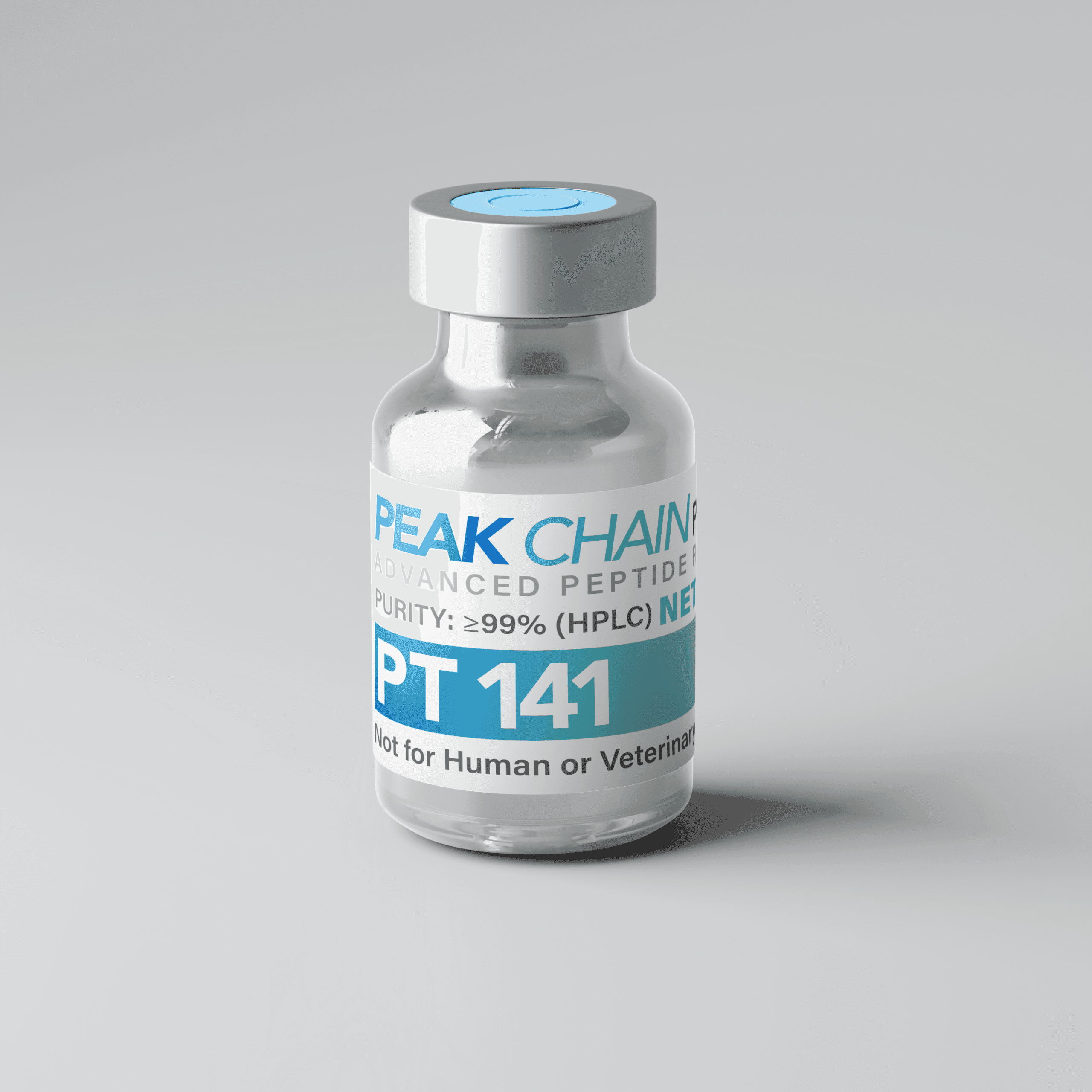
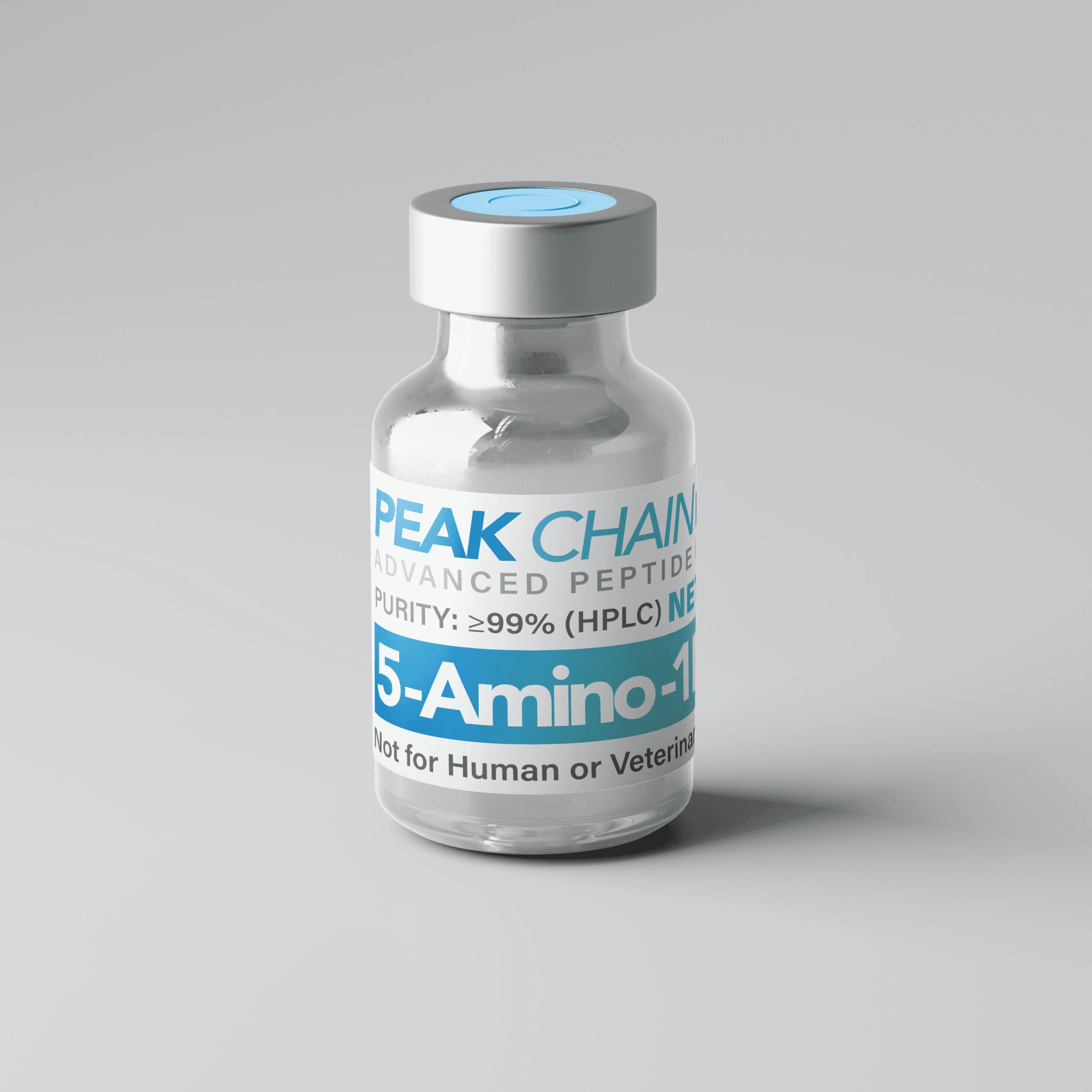
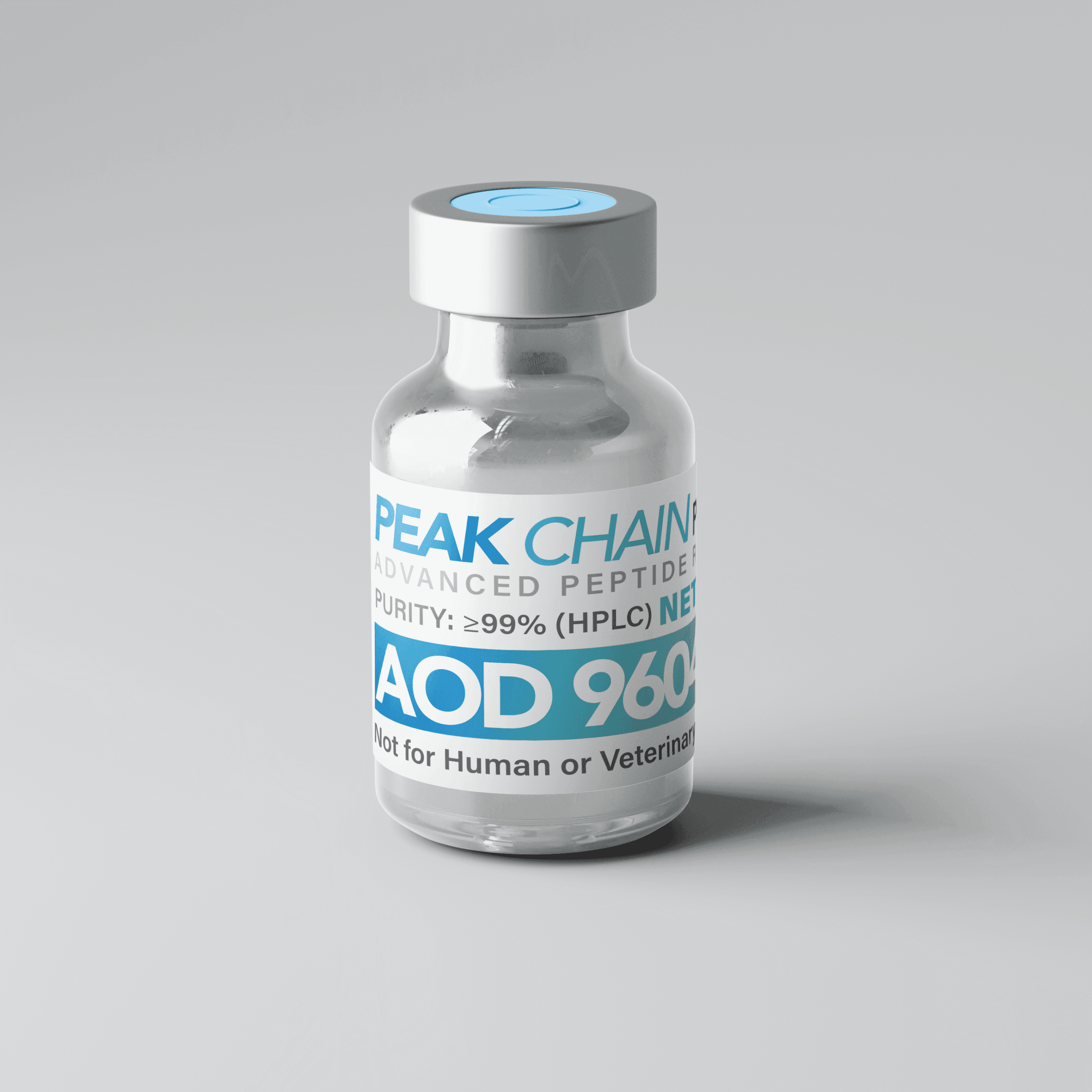
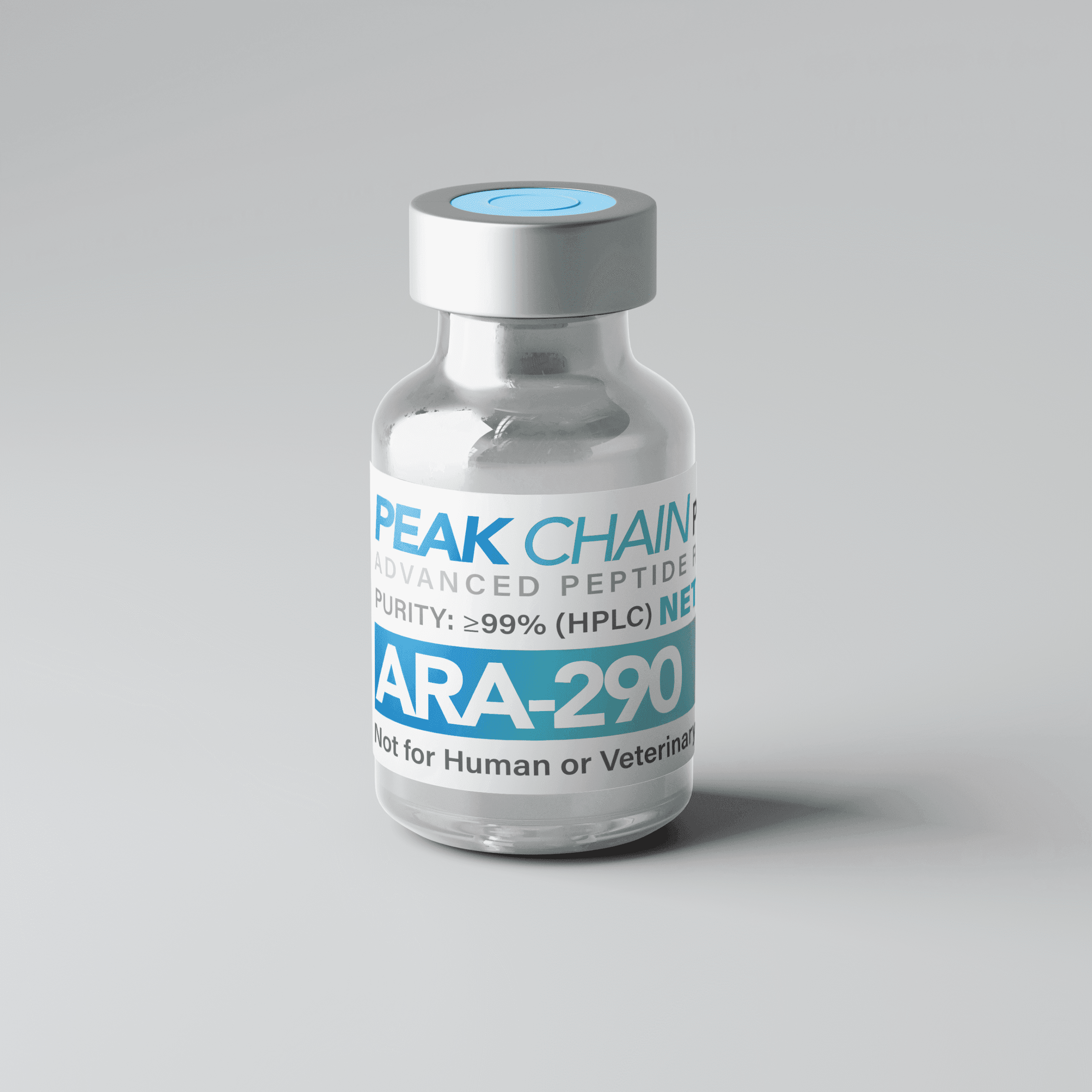
New Arrivals for Research